The Wardrobe Is the New Supply Chain
There is a particular thrill in discovering something remarkable in the back of a rail — the seam that's been let out and re-stitched, the vintage blazer with its lining replaced in a contrasting silk, the denim jacket reworked with panels from something else entirely. What used to read as make-do-and-mend now reads as sharp, considered and genuinely creative. The cultural appetite for recycled and remade clothing has moved decisively from niche to notable, and it is reshaping not just how people shop but where the next wave of ideas in fashion is actually coming from.
The language has shifted to match. "Upcycling" — taking an existing garment and transforming it into something of greater value or different function — has become a genuine design discipline, practised by independent labels and large houses alike. "Deadstock" fabric, meaning surplus textile that would otherwise go to landfill, now appears on swing tags as a selling point. "Reworked" pieces command serious prices on resale platforms. None of this is cosmetic greenwashing; it reflects a structural change in how a new generation of designers and consumers is thinking about materials.
Why Now, and Why It Looks Good
The timing is not accidental. The fashion industry's environmental footprint is substantial and well-documented — textile waste, water consumption, carbon emissions from global logistics — and the pressure from consumers, particularly younger ones, to address it has been mounting for years. But the shift toward recycled and remade dressing is not being driven by guilt alone. It is being driven by aesthetics.
The reworked garment has a visual language that mass production simply cannot replicate: irregularity, texture, the slight-but-deliberate evidence of its own history. A coat reconstructed from two different-weight wools carries a visual tension that is inherently more interesting than a coat cut from a single uniform cloth. A dress assembled from remnant fabrics has a patchwork specificity — this piece, only this piece — that fast fashion, by definition, cannot offer. Scarcity and individuality, both longstanding luxury signals, are baked into the format.
Designers working in this space have developed recognisable techniques. Visible mending — where repairs are made deliberately prominent rather than concealed — turns a sign of wear into a design detail. Deconstruction and reconstruction, where garments are unpicked and rebuilt in new configurations, sits at the intersection of tailoring and art. Quilting from deadstock scraps, dyeing to refresh faded pieces, adding embroidery or print to a plain base: these are crafts with long histories now being applied to a contemporary sustainability framework.
The slow fashion movement underpins much of this — the principle that fewer, better, longer-lasting garments are preferable to constant churn — but recycled and remade fashion takes that logic a step further. The question is not only "will this last?" but "what happens to it when it's done?" The circular answer — it becomes something else — is both practically sensible and creatively generative.
How to Engage With It
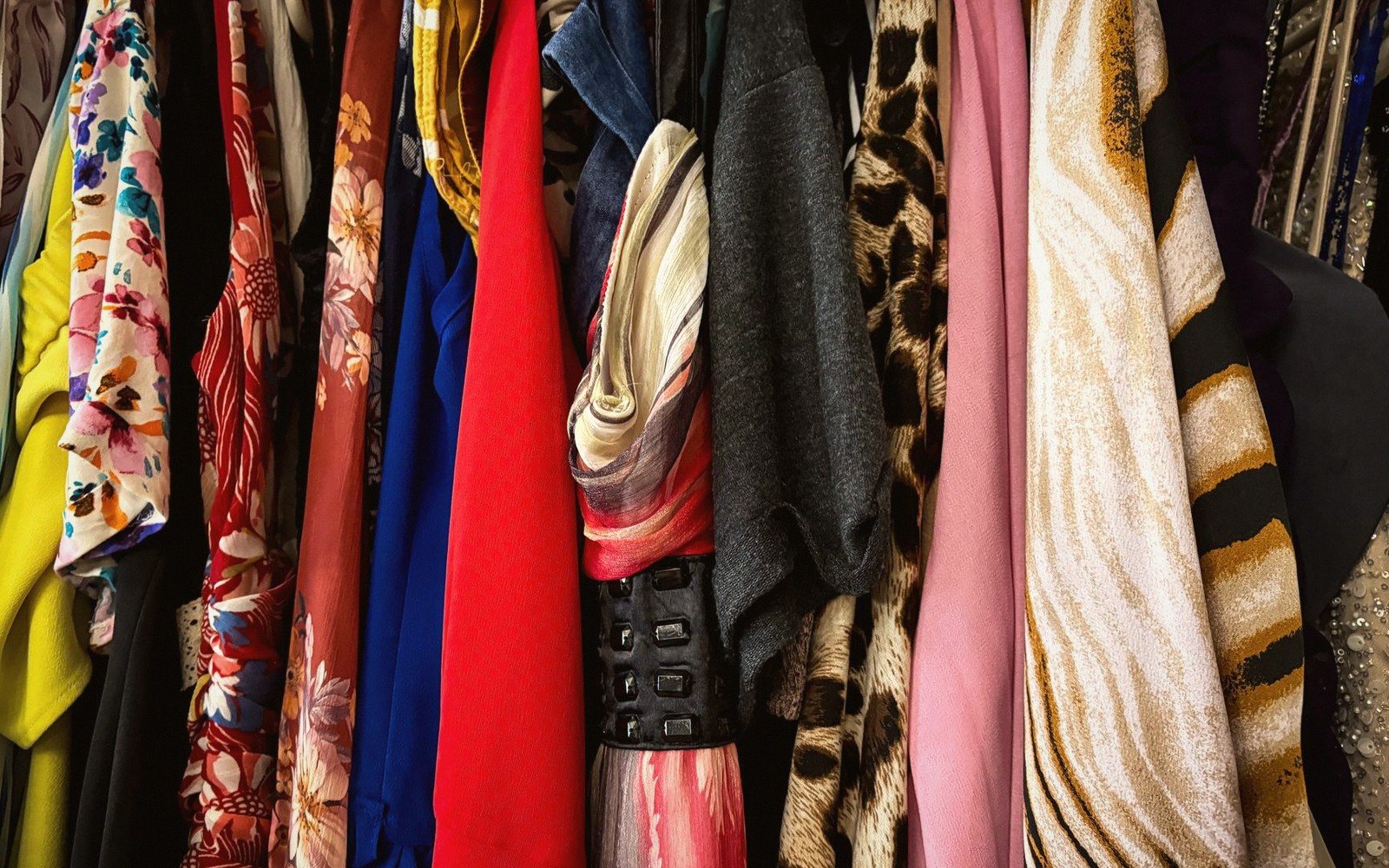
The most accessible entry point is your own wardrobe. Before a piece is donated or discarded, it is worth asking whether it has another life: a hem raised, a shirt cut into a top, a beloved knit with moth damage repaired visibly or patched with something contrasting. Some alterations tailors now offer light reworking services alongside standard repairs, and craft communities — online and off — have built substantial knowledge-sharing networks around exactly these skills.
Beyond the DIY, the resale and reworked market has matured considerably. Independent designers selling through their own channels or on resale-adjacent platforms are producing genuinely exciting work from reclaimed materials, and the price point reflects real craft value rather than mass-production economics. The piece will cost more per unit than its fast-fashion equivalent; it will also be the only one like it.
At the higher end, several established labels have introduced lines built specifically from deadstock or post-consumer textiles, and collaborations between resale platforms and mainstream brands have pushed reworked product further into the mainstream conversation. The direction of travel is clear, even if the market is still maturing.
What the recycled and remade turn ultimately signals is a reorientation of where fashion's creative energy lives. For a long time, the assumption was that newness required new materials, new production, new logistics. The more interesting proposition now is that newness can come from what already exists — that the most original thing a designer can do is start with something that has already been worn.
The next trend is already in your wardrobe. It's waiting to be reworked.