The Bag You'll Still Love in Three Years
There is a particular kind of bag regret — not the buyer's remorse of an impulse purchase, but the slower disappointment of watching something you spent real money on feel embarrassing by the following autumn. It happens to the most considered shoppers. A shape gets plastered across every street-style account, you finally cave, and twelve months later it sits at the back of the wardrobe radiating awkward energy. The culprit is almost always the same thing: you bought the moment, not the bag.
The distinction matters. A moment is a colour, a logo, a silhouette so aggressively of its time that it needs constant cultural oxygen to survive. A workhorse is structural — it fits your actual life, carries what you need, holds its shape after a year of daily use, and looks marginally better with a few scuffs on it. Most truly good bags improve with age, which is the simplest possible test: would you want this in five years? If the answer requires imagining that the trend is still running, the answer is no.
Shapes That Actually Last
Certain silhouettes have demonstrated staying power across decades rather than seasons. The structured tote — stiff enough to stand on its own, wide enough for a laptop or a folded jacket — is a genuine workhorse, and always has been. It asks for nothing from you stylistically and gives everything functionally. A shoulder bag with a flat base and a zip closure sits in the same category: practical enough for Monday, clean enough for Saturday. Neither shape announces itself, which is exactly the point.
The crossbody bag earns its keep through sheer utility. Hands-free, body-close, and available in every size from barely-there to generously slouchy, it suits more real-life moments than almost anything else. A good leather crossbody in a neutral — tan, chocolate, black, a quiet burgundy — operates as a near-universal constant, which is more than can be said for most accessories. The five accessories that quietly upgrade everything are rarely the flashiest ones, and the crossbody is a textbook example of that principle.
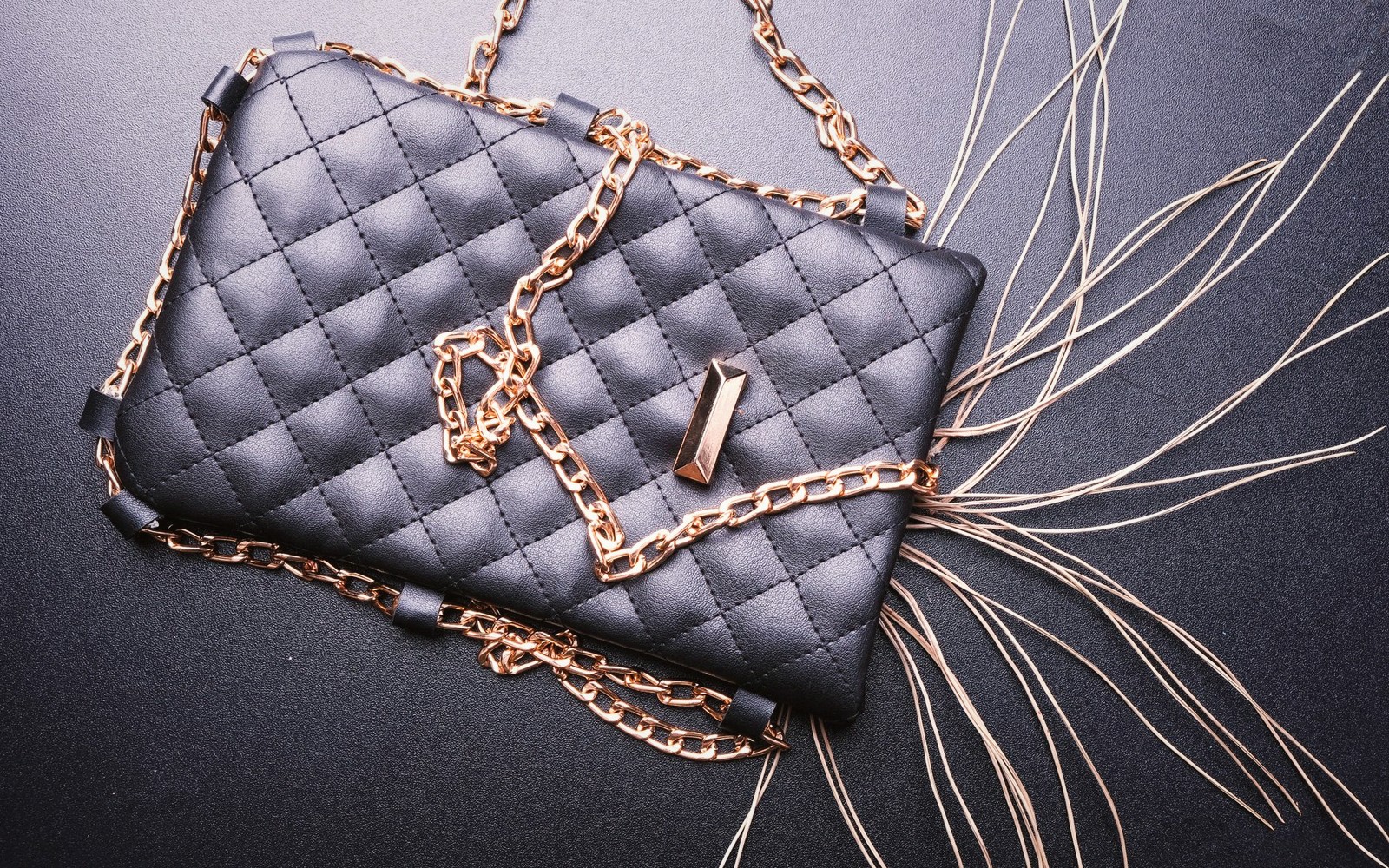
The evening bag is the one area where indulgence is justified, because the rules are different: you are buying impact for specific, infrequent moments, and a bold clutch or a minaudière doesn't suffer from being memorable. A sculptural frame bag or an embellished envelope reads as a considered choice precisely because it isn't trying to be everything. It's trying to be one very good thing on one very good night.
How to Spot a Genuine Workhorse
Hardware tells you a lot quickly. Lightweight metal that flexes under a small amount of pressure, plating that rubs off at the corners, zips that catch on the first open — none of these are signs of a bag that ages well. Solid, weighty hardware with consistent finishing is worth paying for because it's one of the first things to fail on a lesser bag and one of the last things to fail on a good one.
Leather quality rewards patience: handle it, bend a corner, check the cut edges. Painted edges that crack and peel belong to a bag with a short life expectancy. Burnished, finished, or rolled edges are a better sign. Lining matters too — a well-stitched interior with functional pockets suggests a maker who thought about use, not just the storefront.
Buy for the Tuesday, not the photoshoot. The bag that gets you through an ordinary week without a second thought is always the one you'll reach for longest.