The Gap Between the Grid and the Grind
A single well-lit flat lay. A street-style frame that looks casually caught. A reel that moves like it came together in an afternoon. None of it did. The fashion feed that looks effortless is, almost by definition, the one that required the most work — and the creator behind it has usually spent more time in a car park with a tripod than anywhere a brand would want to photograph them.
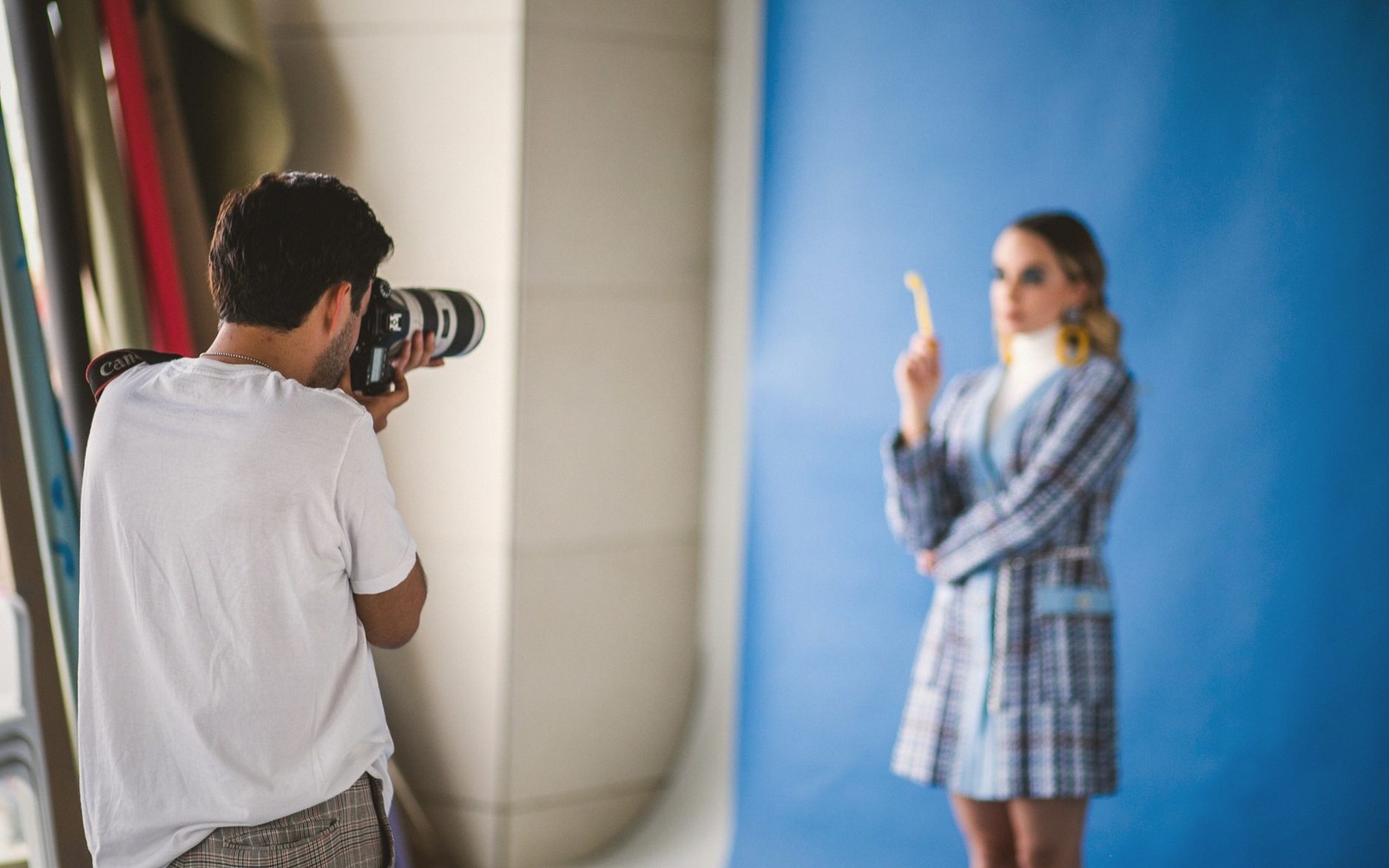
The reality of running a fashion or style feed is logistical before it is creative. There are locations to scout and permissions to navigate (a great wall is someone else's wall), shooting windows dictated by natural light, outfit changes in the back seats of cars, and the particular indignity of asking a stranger to hold your phone while you walk toward them repeatedly until the motion blur is gone. Equipment helps — a decent camera, a reliable remote, a flexible tripod — but none of it removes the fundamental awkwardness of being both the director and the subject.
The Edit Is Where It Lives
Shooting is the half that looks like content creation. Editing is the half that actually makes it. A single post might represent forty minutes of image selection, colour correction, and cropping before a caption is written — and writing the caption is its own draft-and-delete process, because tone matters almost as much as the image itself. Short, punchy, and warm reads completely differently from considered and editorial, and neither works if it sounds like neither.
Video layers the complexity further. A short clip demands planning — what the light does, where the cuts fall, whether the audio actually fits the mood — and then hours in an editing app most people learned by watching other creators rather than any formal instruction. The creator who makes it look easy is the creator who has done it enough times that the process is invisible. That invisibility is the product.
Batch shooting — dedicating a single day to producing content for the following two or three weeks — is one of the more practical solutions. It compresses the logistical chaos into one difficult day and frees the rest of the time for writing, engagement, and the quieter work of building an audience. But it requires planning that sits closer to production scheduling than it does to personal style expression: which pieces photograph together, which needs a different background, what order to shoot in so the light doesn't shift too dramatically between looks.
The Discipline of Showing Up
The part nobody photographs is the posting anyway. The shoot went badly, the edit took too long, real life intervened — and the feed still needs feeding. Consistency is the unglamorous engine of audience growth, and it demands showing up in a way that no aesthetic decision can substitute for. A perfectly composed image posted irregularly builds less than a good-enough image posted on a rhythm.
This is why the creators worth following in the long term are rarely the ones who arrived fully formed and brilliant. They are the ones who learned the logistics, built the habits, and got incrementally better at every layer of the work — the shoot, the edit, the caption, the consistency. The feed is the visible fraction. What earns it is everything underneath.