The Beige Fatigue Is Real
For a stretch, the prevailing logic of dressing well was, essentially, the logic of disappearance. Wear less colour. Choose quieter fabric. Let the cut do the talking, and the cut should whisper. The shorthand — quiet luxury, stealth wealth, old money — described an aesthetic that prized invisibility as the ultimate flex. Cashmere the colour of oat milk. Trousers that fit so well they became invisible. Jewellery so minimal it was practically theoretical.
It was a powerful mood while it lasted. But moods move. And right now, across everything from street style to the runways that actually shape what people buy twelve months later, the dial is turning — decisively, almost defiantly — towards more.
The whisper is over. Fashion wants to be heard again.
| Quiet luxury | Loud now | |
|---|---|---|
| Palette | Oat, camel, mink, cautious navy | Saturated red, cobalt, chartreuse |
| Fabric | Whisper-soft, matte, discreet | Sheen, texture, deliberate contrast |
| Jewellery | Minimal, almost theoretical | Bold, stacked, meant to be seen |
| Silhouette | Precise tailoring, no volume | Volume, print, head-to-toe colour |
| The signal | Invisibility as the flex | Pleasure, worn out loud |
| The risk | Reads as beige fatigue | Tips into costume if careless |
What Loud Actually Means
Loud, here, doesn't mean costume. It doesn't mean a fancy-dress reading of glamour, or the kind of look that requires an explanation. The new loudness is deliberate. It's a return to fashion as pleasure — colour, texture, print and silhouette used not to blend in but to arrive.
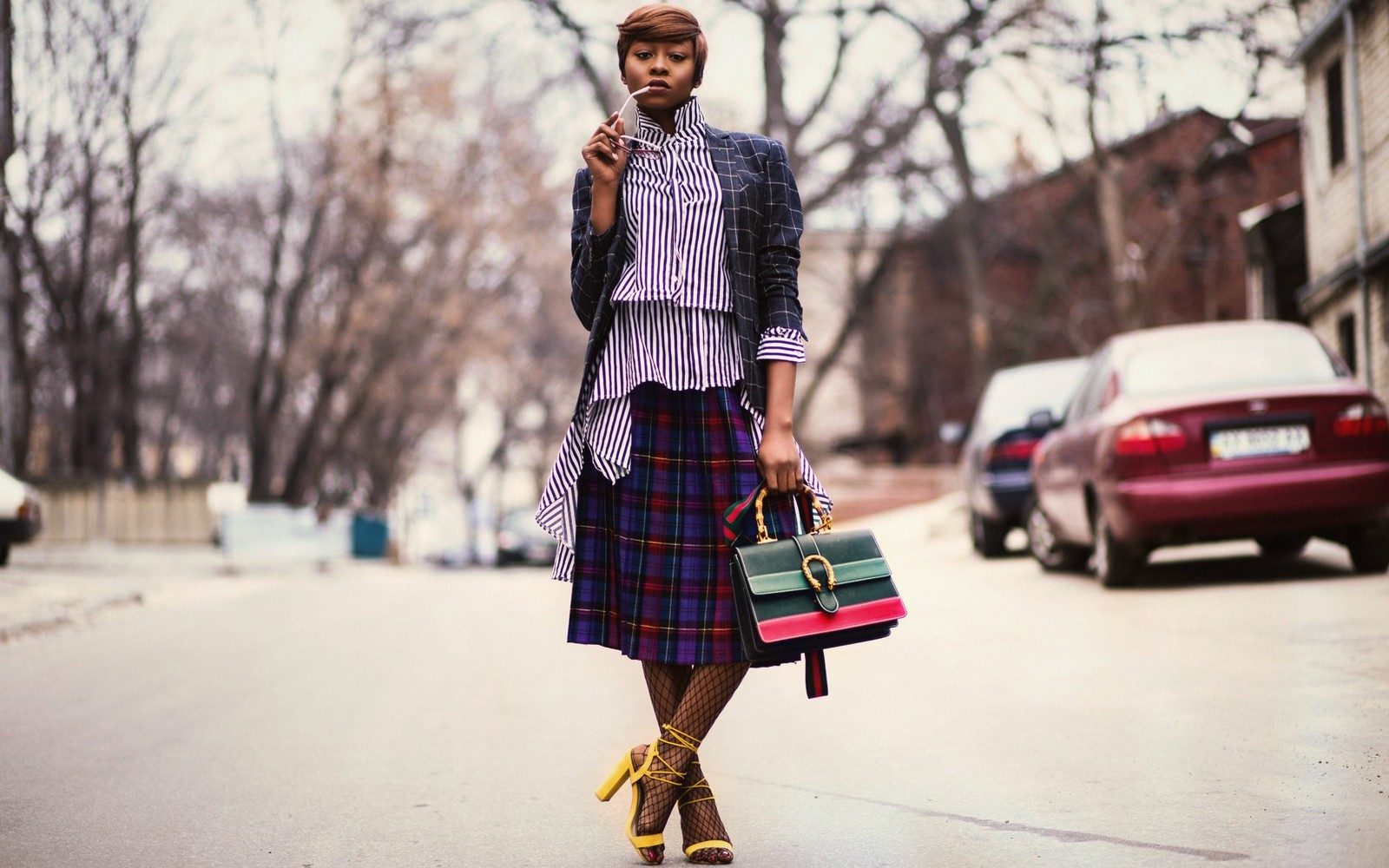
Colour is the most immediate signal. The subdued palette that defined quiet luxury — ivory, camel, mink, navy at its most daring — is giving way to shades that demand a response. Saturated red. Cobalt. Chartreuse. Colour used not as accent but as total commitment: a head-to-toe statement in one undiluted hue. Where the quiet-luxury code reached for uniformity, the emerging mood revels in contrast — a clashing print against an unexpected base, a vivid bag against a neutral ground that suddenly looks interesting because of what it's sitting next to.
Silhouette is shifting with equal force. The clean, body-skimming proportions of the stealth-wealth moment gave way to volume — real volume, the kind that needs space. Exaggerated sleeves. Sculpted shoulders. Hemlines that do something architectural rather than just falling correctly. There's a visible appetite for clothes that read as clothes, not as tasteful suiting that could pass for office wear in three different industries.
Print is back in a serious way. The blank-canvas instinct of quiet luxury — plain fabrics, subtle texture as the only decoration — is being countered by pattern that actually announces itself: maximalist florals, graphic geometrics, the kind of stripe that has opinions. Mixing prints, which quiet luxury would have treated as an error, is being worn as a skill.
And accessories are loud again. The studied restraint of a single gold bangle and a micro bag with a four-figure price tag was very much a quiet-luxury accessory proposition. What's replacing it is more stacked, more layered, more present. When it comes to jewellery, stacking and layering have never felt more relevant — the question now isn't whether to stack, but how far to push it.
Why Now
Aesthetic cycles are rarely just aesthetic. Quiet luxury arrived when a particular kind of exhaustion set in — social, economic, cultural — and discretion felt like wisdom. It made sense to dress like you had nothing to prove. But there's a counter-current in fashion that always reasserts itself eventually: the desire for pleasure, for visibility, for the sheer fun of getting dressed and having that read on the outside. Minimalism requires confidence; so does maximalism. They're just different kinds.
There's also a generational dimension. The audiences shaping what feels exciting are increasingly drawn to the archive rather than the neutral. They're referencing eras — the seventies' unbothered glamour, the maximalist excess of the eighties, the anything-goes energy of the nineties — and synthesising them into something that feels present rather than nostalgic. The result is a loudness that's actually quite curated, even if it doesn't look it.
None of this means quiet luxury is finished as a wardrobe strategy — a well-cut coat and a great pair of trousers will always work. What's finished is quiet luxury as the only valid answer to how to dress. The counterargument has arrived, and it's wearing colour.