The Case for the Flat
There is something almost stubborn about the ballet flat's continued relevance. It has been declared finished more than once, quietly outlasted every eulogy, and returned each time looking slightly more considered than before. The reason isn't nostalgia — it's proportion. A flat, round-toed shoe grounds an outfit in a way that reads as deliberate rather than effortless-without-trying, which is a harder balance to strike than it sounds.
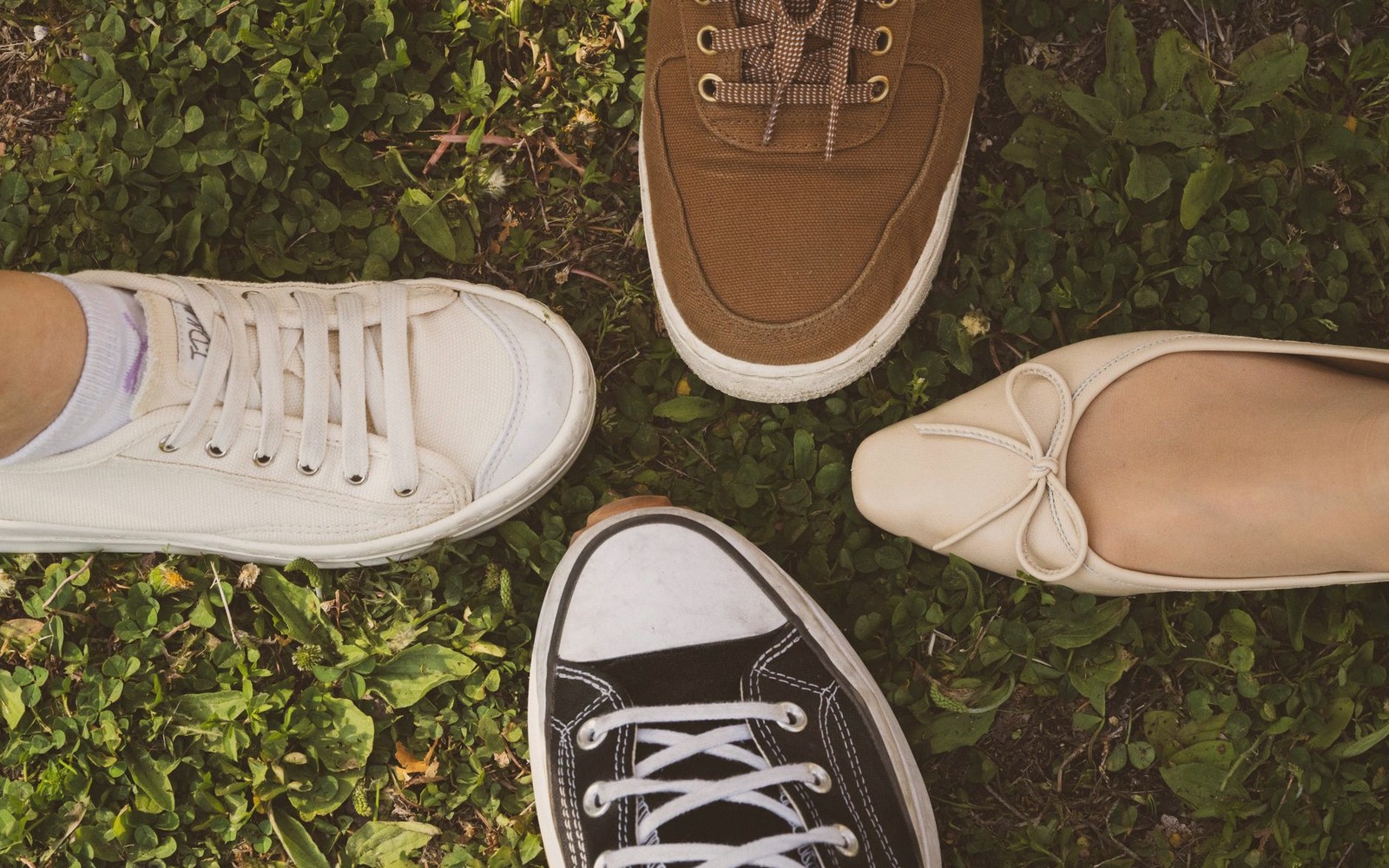
The current iteration owes less to precious ballerina associations and more to the directional end of minimalism: slim through the vamp, often with a barely-there toe box or a cap-toe trim, in leather, satin, or matte suede. The ribbon tie has come back too, worn loose — a detail that reads romantic on the right outfit and quietly subversive on the wrong one, which is exactly why it works.
How to Wear It Now
The twee trap is real, and avoiding it is mostly about contrast. A ballet flat reads sharpest against weight — wide-leg trousers, a structured coat, a slightly oversized blazer. Let the shoe be the delicate thing in an otherwise grounded outfit and it stops reading as girlish and starts reading as intentional. Pairing it with anything floaty and floral risks tipping the whole look into costume territory.
Texture does significant work here. A leather flat in a deep tone — chocolate, burgundy, a near-black navy — cuts any softness that might otherwise creep in. Satin, on the other hand, earns its place in evening contexts: pulled over bare legs under a trouser suit, it is quietly eccentric in the best possible way.
The flat has earned its longevity. Wear it like you know that.